
Blog·Nov 19, 2026
Contractor marketing starts on the jobsite
Marketing for general contractors works best when it starts on the jobsite. You already do the hard part: you build things worth showing. The gap is that most of that work is never captured, so the people deciding who to hire never see it.
This is a plain guide to what to capture, how to use it and how to keep it going without turning the owner into a full-time marketer.
Why the jobsite is your best marketing asset
A prospective client choosing a builder is mostly asking one question: can this company do what it says? A page of claims does not answer that. A project does.
Real photos and film of real builds show scale, quality and the way you run a site. They are hard to fake and easy to understand, which is why they work. A website full of stock images tells a buyer nothing about you.
What to capture and when
Think about the life of a project, not a single shoot day.
- Before work starts. The site as it was. This is the first half of every before-and-after.
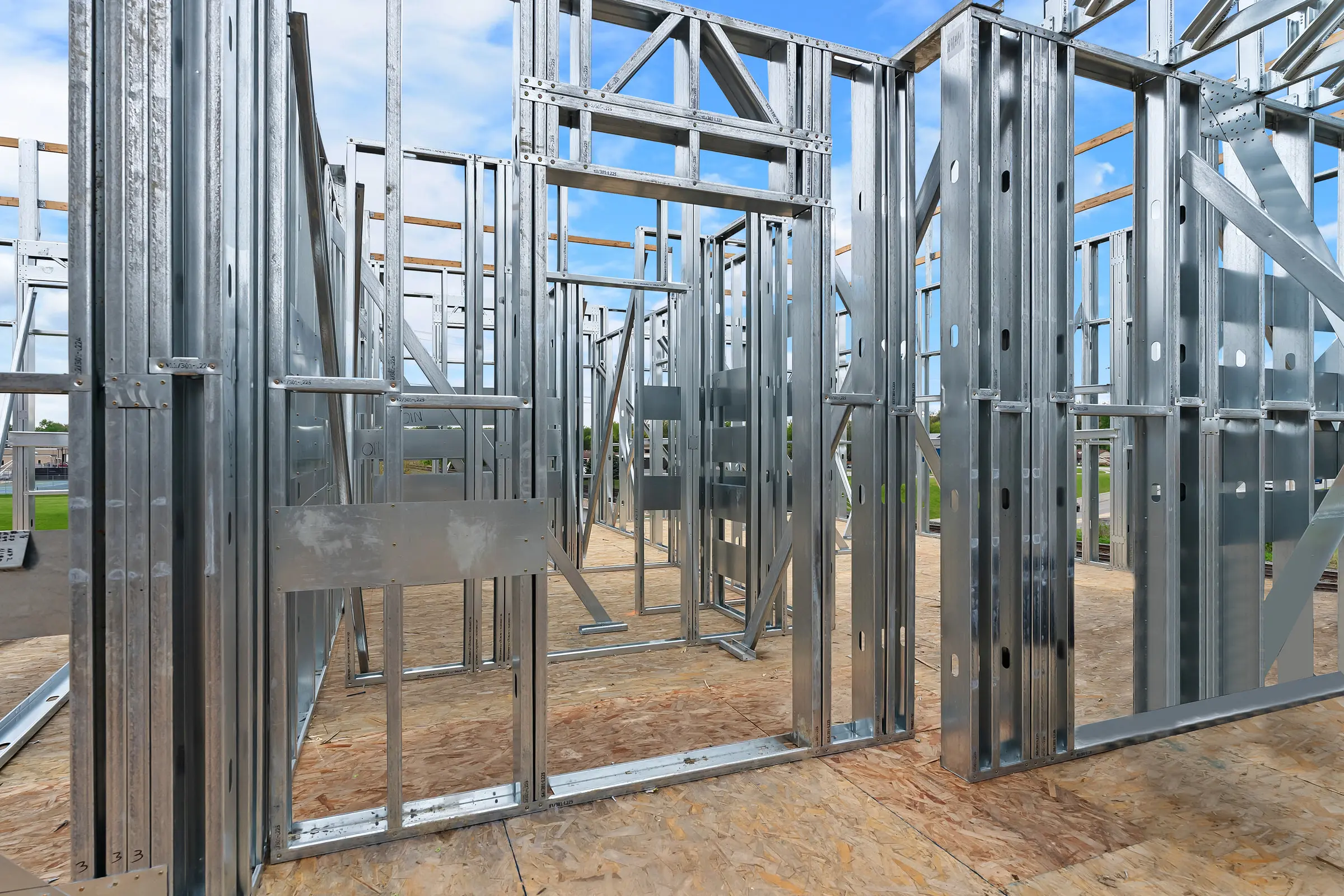
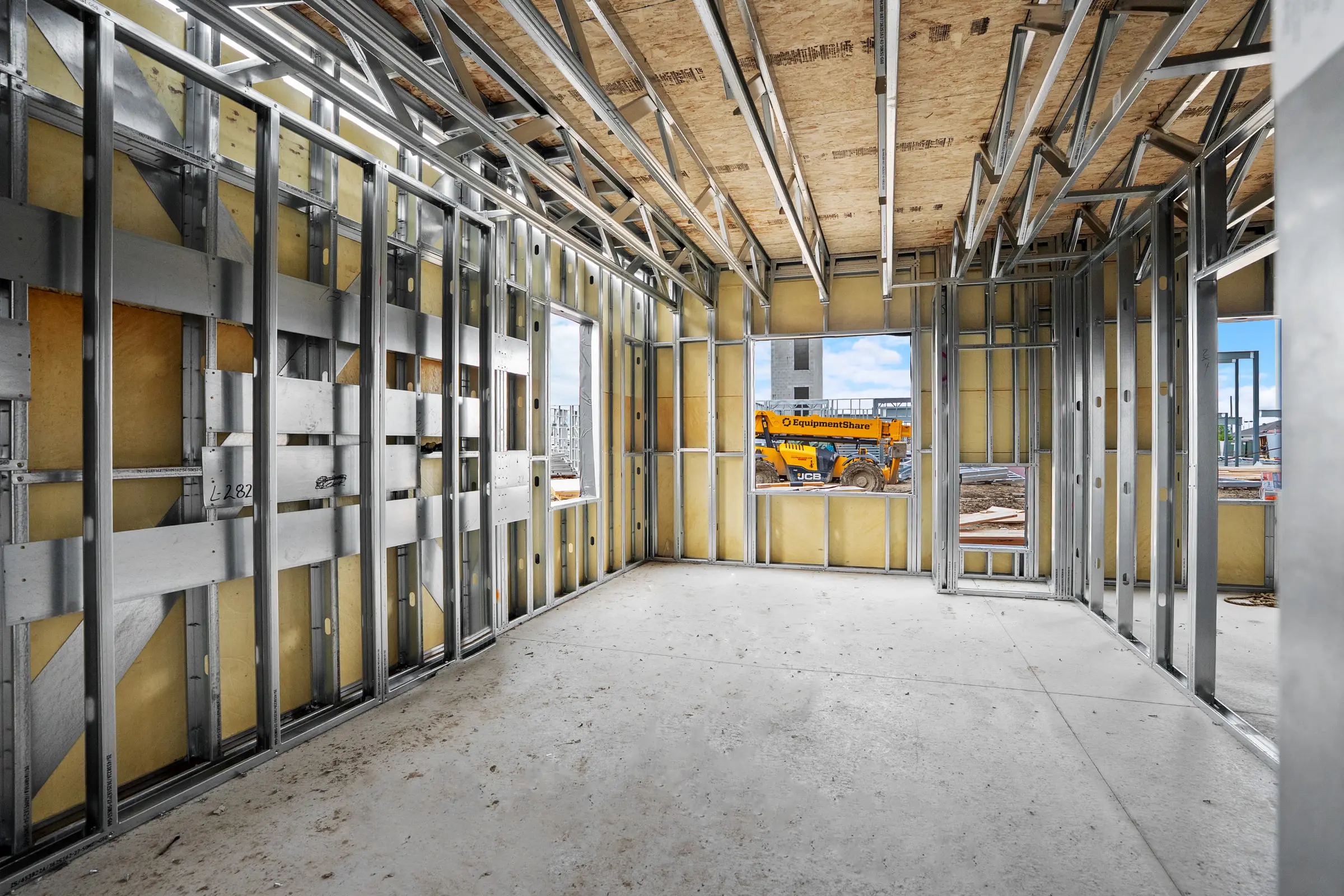
- Key milestones. Foundation, framing, structure, mechanical work and finishes. Each stage tells a different part of the story and gives you something to share while the project is still underway.
- The crew at work. People who are clearly doing the job carefully. Safety practice and good organization show up on camera and speak to owners who care about both.
- The details. Clean joints, good layout, careful finishing. Close shots of craftsmanship are what a competing bid cannot show.
- The finished project. Wide, well-lit and shot at the right time of day, ideally from the same position as the before.
If you only capture one thing, capture the finish. If you capture two, add the before.
Shoot in batches, post over time
You do not need to produce content every day. A better approach is to schedule shoots around real project milestones, capture a good library each time and share it over the weeks that follow.
One shoot day can feed a lot: a short film for your website, a few photos for a project page, vertical clips for social media, an image for a bid package. Plan the shoot with those uses in mind so you shoot what you need once.
Use the content where buyers look
The same footage can show up in several places.
- Your website. A project page with strong photos and a short film beats a list of services. Owners and developers will look at your site before they call.
- Social media. A steady feed of real work keeps you in front of people who might hire you later. Answer comments and messages promptly, since a question on a post is often a real lead.
- Bids and proposals. A few strong images of comparable past work do more than a paragraph about experience.
- Recruiting. Good people want to join a company that looks well-run. Footage of your crew at work helps you hire.
Safety and permissions come first
Jobsites have rules, and marketing does not override them. Get the owner’s permission to photograph and share a project before you shoot. Follow site safety requirements for anyone on the ground, and plan any aerial work around airspace rules, the site schedule and the people working below.
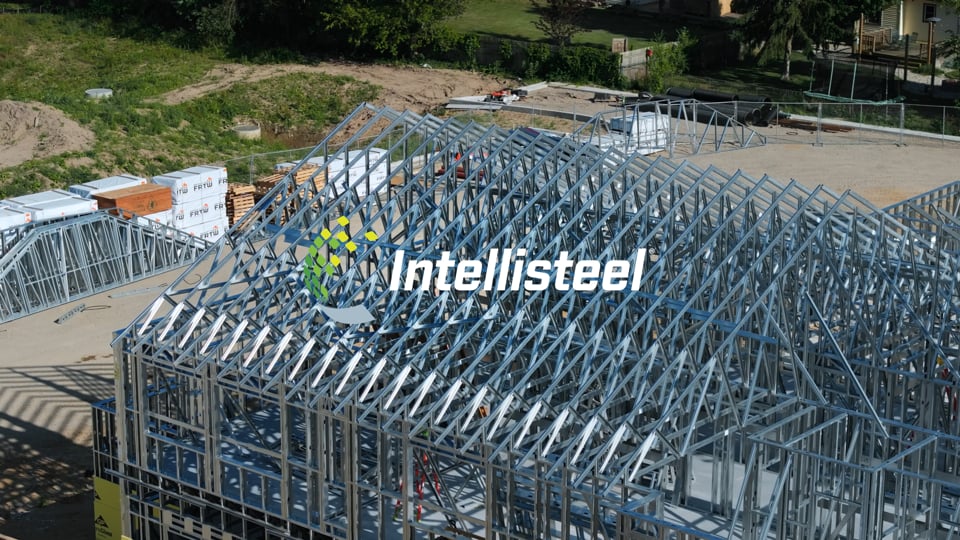
Aerial footage is a strong way to show scale and progress, and it should be flown by a pilot with FAA Part 107 certification. Ask what the site allows before anyone launches a drone.
Keep it simple enough to keep going
The most common reason contractor marketing fails is not quality. It is consistency. The owner is busy running jobs, the shoots get skipped and the feed goes quiet.
That is why one team of your own that plans, shoots, edits and posts helps. When the same people handle the whole chain, nothing waits on you to find the time. You keep building, and the work gets captured.
Where to start
Pick one active or recently finished project and capture it properly. Get the permission, shoot the milestones and the finish, and share it on your website and social accounts. That single project gives you the start of a library and a clear sense of what it takes to run this on every job.
If you want help setting that up, book a 30- to 60-minute discovery call. We will talk through your current projects and how to capture them.
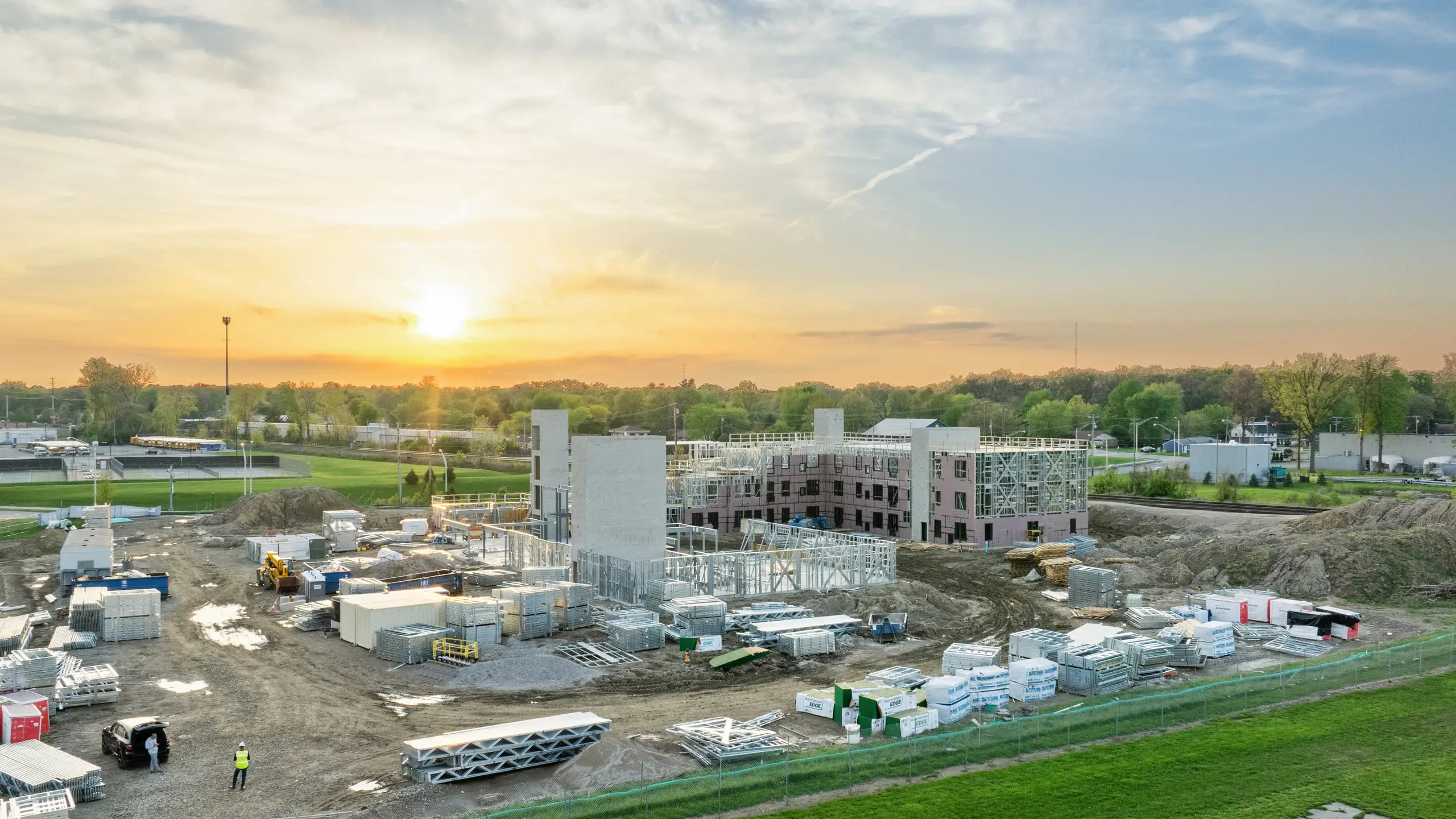 See it on a real jobGreen OaksProject film · Intellisteel Group · Holland, OhioRead the story
Related pages
Questions
What people ask us.
01What should a contractor photograph on a jobsite?
Capture each stage of the build: the site before work starts, major milestones, and the finished project. Add the crew working, the details of good workmanship and wide views of the whole site. Get the before and the after from the same spot.
02Does a contractor need to post every day?
No. A steady rhythm you can keep is better than a burst that fades. Shoot in batches on the jobsite, then post from that library over time.
03Can a small contractor do this without a marketing person?
Yes. Most contractors do not have one. The work is capturing the job properly and sharing it consistently, and an outside team that shoots, edits and posts for you can handle it.
Discovery call
Let’s build something they can’t scroll past.
Start with a discovery call. 30 minutes by phone for a shoot, 60 on video for ongoing marketing.
Book a discovery call